
Blog
Historic Day at Fort Snelling: Sioux Half-Breed Lineal Descendants File Landmark Lawsuit for Lake Pepin Reservation
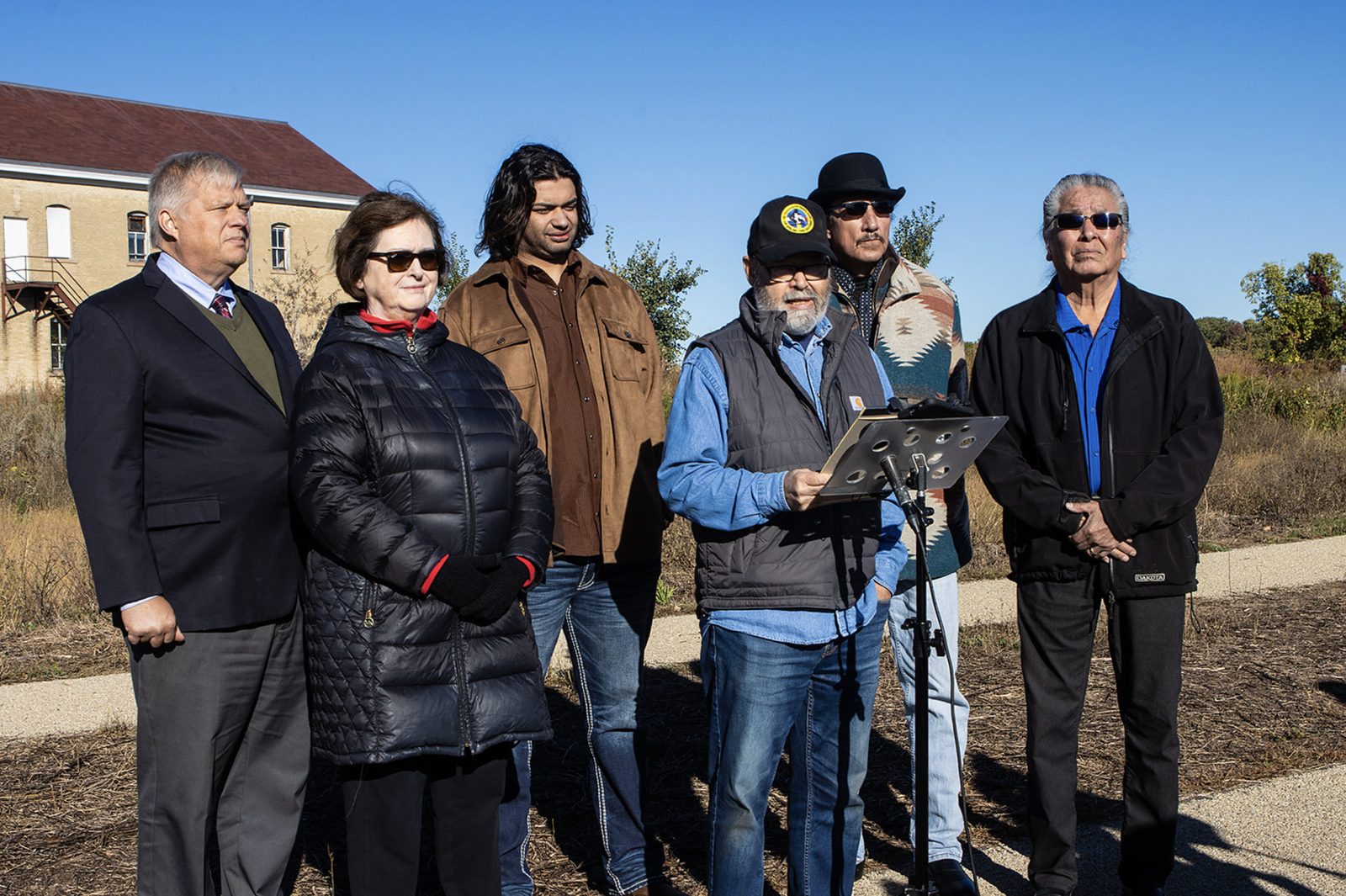
On October 13, 2025, Sioux half-breed lineal descendants gathered at Historic Fort Snelling to announce a federal lawsuit over the Lake Pepin Reservation.
The project page is Lake Pepin Reservation.
Sioux half-breed lineal descendants gathered at Historic Fort Snelling in St. Paul to announce a federal lawsuit against the United States. The press conference started at 10 a.m. On Indigenous Peoples Day and drew journalists and members of the public. Speakers included representatives of the lineal descendants and their attorney, Erick Kaardal.
The complaint, filed the same day, concerns the Lake Pepin Reservation: an area in southeastern Minnesota along the Mississippi River and the Wisconsin border, including the city of Wabasha, of about 500 square miles.
Kaardal is quoted: “Indigenous Peoples Day is the perfect day for the Sioux half-breed lineal descendants to sue the United States for the 500 square mile Lake Pepin Reservation and damages.”
The post also quotes him on the holiday’s two uses: recognition of Indigenous cultures and history, and attention to historical injustices and ongoing struggles. He says the suit seeks to correct historical injustices and to challenge what he calls the colonial narrative that glorifies Minnesota’s first two governors, Henry Sibley and Alexander Ramsey.
A representative of the lineal descendants is quoted at length. The substance of that statement, as the post prints it: the day is a beginning, not an end; ancestral ties to the Lake Pepin lands and broken promises are now in court; the suit is about land and damages and also about identity; the speakers invite the public to witness the case.
Press-conference photos may be used for later articles. The cover on this page is the photograph published with that post.
A gift is a donation to Five Stones Legal Defense Fund. Publishing a post does not create an attorney-client relationship, and no legal outcome is guaranteed.